Somewhere over an ocean, ten hours into a fourteen-hour flight, every economy passenger asks the same question: do people actually get good at this? They do. Long-haul economy is survivable, even comfortable, for travelers who treat it as a logistics problem rather than an endurance test. The seat itself is fixed, but nearly everything else, where that seat is, what you bring to it, what you eat and drink, how you spend the hours, and how you land on your feet at the other end, is within your control. The difference between the passenger who shuffles off broken and the one who strides into an arrival-day afternoon is preparation, not fare class.
Win the Seat Map Before You Board
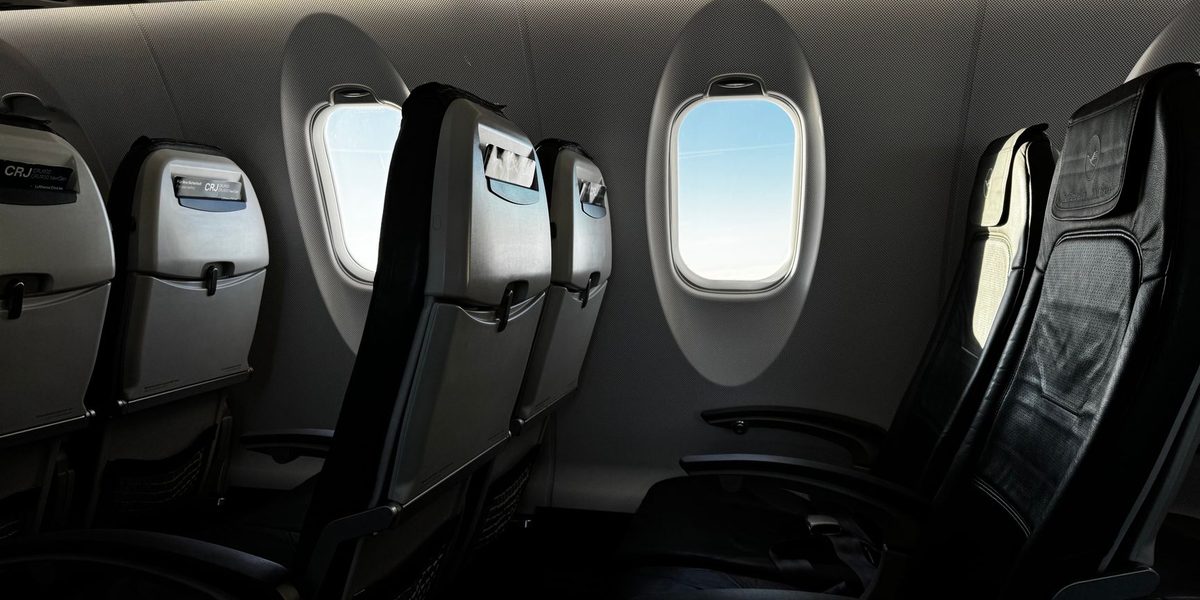
Seat selection is the highest-leverage decision of the entire flight, and it happens weeks earlier at booking. Study the aircraft's seat map, and consult a seat-review resource for your specific aircraft type, because good and bad seats cluster in predictable places. Exit rows trade legroom for fixed armrests and cold proximity to doors; bulkhead seats offer space but often host bassinets; the rows ahead of lavatories enjoy foot traffic and light all night; seats at the rear of a cabin section sometimes recline into a wall.
The strategic choice starts with your body and habits. Sleepers want the window: a wall to lean on and no waking for neighbors. Frequent stretchers and hydrators want the aisle and its freedom. Couples can gamble on the window-and-aisle play in a three-seat row, since middle seats fill last and an arriving stranger will happily swap into one of yours. Check back on the seat map in the days before departure, because better seats open as elites upgrade out of them, and online check-in the moment it opens is your last free bite at the map.
Build a Sleep Kit That Actually Works
Airplane sleep fails for specific reasons, light, noise, cold, and an unsupported head, and each has a cheap countermeasure. A contoured eye mask blocks the cabin's never-quite-dark. Foam earplugs or noise-cancelling headphones erase the engine drone that fatigues you even when you do not notice it. A decent travel pillow, or the low-tech alternative of a hoodie stuffed with a scarf, keeps your neck from the head-bob cycle. Cabins run cold at altitude, so dress in layers and keep a warm layer accessible even in summer.
Ritual matters as much as equipment. Change into your comfortable layer after boarding, brush your teeth after the meal service, set your devices aside, and give your body the same going-to-bed signals it receives at home. Recline your seat gently and fully during designated sleep hours, and use your seatbelt visibly over your blanket so crew never wake you to check it. Even a few ninety-minute cycles of real sleep transform how the flight ends.
Eat and Drink for the Time Zone You Want
Cabin air is drier than most deserts, and dehydration masquerades as much of what passengers call jet lag: the headache, the fog, the heavy legs. Board with a large empty bottle filled after security and refill it from the galley without shyness; a sip schedule beats heroic occasional chugging. Go gently on alcohol, which hits harder at altitude and dismantles exactly the sleep you are trying to protect, and time your last caffeine against the destination's clock, not the departure city's.
- Switch your watch at boarding to destination time and start living on it immediately.
- Eat meals when the destination eats, even if that means politely skipping a service and eating a packed snack later.
- Prioritize sleep during the destination's night, using meals, light, and screens to anchor the new schedule.
Airlines serve food on the departure city's rhythm, so treat the trolley as an option rather than a schedule. Passengers who eat and sleep on destination time from the first hour arrive with half the adjustment already done.
Move, or Pay for It Later
Hours of stillness in a compressed seat leave joints aching and circulation sluggish, and the fix costs nothing: move on a schedule. Once an hour while awake, stand, walk the aisle to the galley and back, and spend two minutes on simple stretches, calf raises, ankle circles, shoulder rolls, in the galley area where crew are accustomed to passengers loitering politely. In the seat, flex feet and shift positions regularly rather than holding one posture for a movie and a half.
Compression socks, once the badge of cautious grandparents, have been adopted by seasoned travelers of every age because legs simply feel better on landing. Anyone with health conditions affecting circulation should ask a medical professional for advice specific to them before a very long flight. Movement is also mental: the walk to the galley, a stretch, and a refilled bottle punctuate the flight into manageable chapters instead of one endless middle. If you have a connection, treat the layover as recovery time rather than waiting time, walk the terminal briskly, stretch properly, and board the next leg with your circulation reset instead of camping in a chair by the gate.
Curate the Hours Instead of Enduring Them
Twelve hours is not one block of time; it is a program you get to schedule. Divide the flight deliberately: a meal and a film, a long sleep block aligned with destination night, then a final act of breakfast, freshening up, and arrival preparation. Load your own devices with downloaded shows, podcasts, and books rather than gambling on the seat-back system, and bring a power bank sized for the full journey since seat power can be absent or broken.
Keep everything you will touch in flight in a small under-seat pouch, headphones, lip balm, pen, snacks, toothbrush, so you are never excavating the overhead bin over a sleeping stranger. The final hour deserves its own plan: brush teeth, wash your face, change socks, stow the sleep kit, complete any entry paperwork, and review how you will get from the destination airport to your bed. Walking off groomed and organized is half of arriving well.
Land With a Plan for the First Day
Long-haul survival extends past the jet bridge; the first day decides how the whole trip feels. Book flights that arrive in daylight when you can, since sunlight is the strongest signal for resetting your body clock and an afternoon arrival makes staying awake until local bedtime achievable. Resist the hotel bed's siren song: a shower, a walk outside in daylight, and an early local dinner beat a three-hour nap that stretches jet lag across half the trip.
Keep the arrival day's schedule humble, logistics, a gentle stroll, nothing that requires wit, and defend the first real night of sleep at all costs. By the second morning, a traveler who managed light, meals, and movement is largely synchronized, while the one who napped at random is still negotiating with their own body. The flight ends when your schedule matches the destination's, and that finish line is reachable a full day sooner with intention.
Final Thoughts
Nobody upgrades their way out of every long flight, but nobody needs to. Choose the seat that matches your habits, pack a kit that defeats light, noise, and cold, drink water like a job, live on destination time from the first hour, move hourly, program the hours instead of suffering them, and land into a planned, daylight first day. Every one of these levers is free or nearly free, and together they turn fourteen hours in economy from an ordeal into what it actually is: a long, slightly cramped, entirely survivable ride to somewhere worth being.