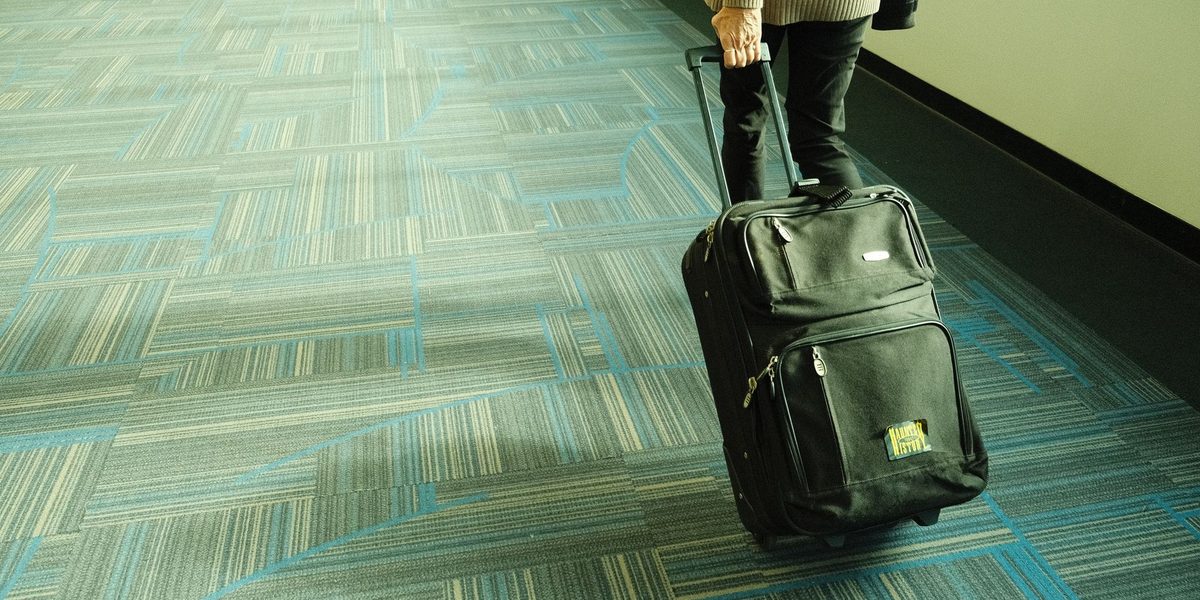
Business travel has a strange arithmetic: a two-day trip can somehow consume five days of your life, the day before spent packing and prepping, the days there spent tired and improvising, the days after spent recovering and chasing receipts. Frequent business travelers who stay sharp have not discovered a secret airline or a magic hotel. They have built systems, standing kits, repeatable routines, and protective habits, that reduce every trip's overhead to nearly zero. The same systems work whether you travel weekly or twice a year, and they turn the road from a tax on your energy into something close to a change of scenery.
Keep a Standing Kit That Never Unpacks
The single highest-leverage habit in business travel is the permanently packed kit: a toiletry bag and a tech pouch that exist only for travel and never get raided for home use. Duplicate everything, toothbrush, razor, chargers, cables, adapters, headphones, medications, so that packing for a trip means adding clothes to a bag that is already eighty percent ready. The night-before scramble disappears, and so does the airport realization that your only phone charger is plugged in beside your bed at home.
Extend the principle to a standing checklist, kept in your notes app, covering the few variable items: laptop, badge or client materials, weather-specific layers, workout gear if you use it. A checklist consulted for ninety seconds beats memory every single time, and after a few trips the entire packing process compresses to about ten minutes. The goal is for the decision to travel and the readiness to travel to become almost the same moment.
Build a Wardrobe That Travels Itself
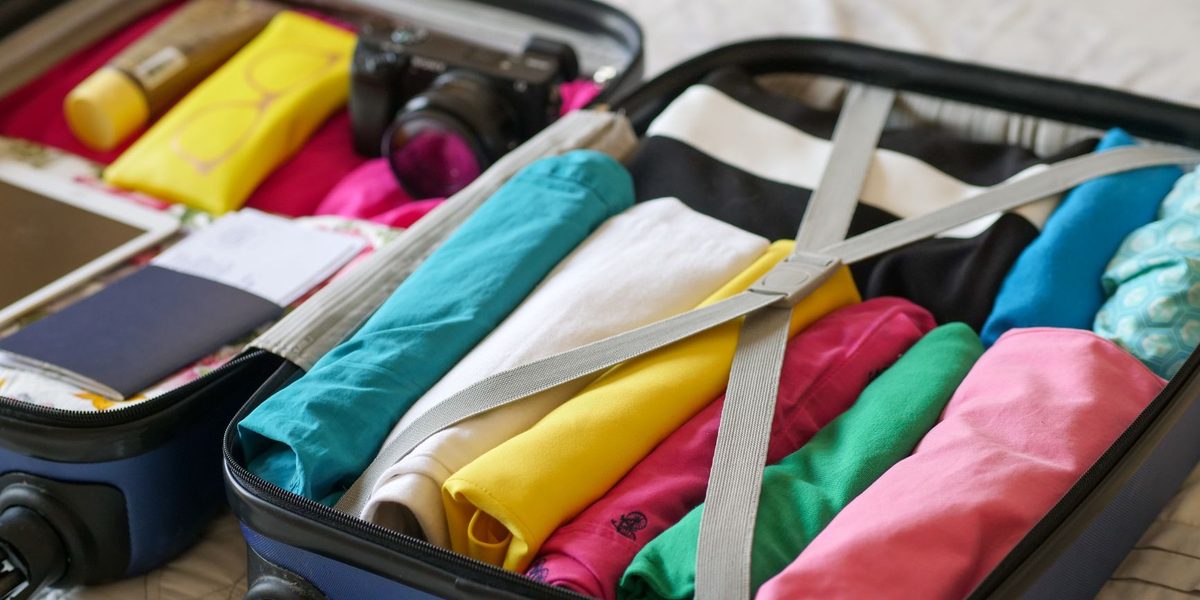
The business travel wardrobe has one job: emerge from a carry-on looking pressed. Modern wrinkle-resistant fabrics, quality knits, ponte blazers, and performance-blend trousers and shirts, have made this genuinely achievable. Build around one base color so every combination works, pack one fewer outfit than the days you will be gone and plan to re-wear the blazer, and roll casual pieces while folding structured ones around tissue or a dry-cleaning bag to fight creases.
On arrival, hang everything immediately; most wrinkles fall out overnight, and the bathroom's steam during a hot shower handles the rest. Shoes are the weight problem, so travel in the dressier pair and pack at most one alternative. A capsule of five or six pieces in a coordinated palette covers a week of meetings and dinners while fitting in a carry-on, and carry-on-only is itself a business skill: no checked bag means no lost bag before a presentation, and no carousel wait between you and the client.
Make Expenses a Thirty-Second Daily Habit, Not a Sunday Project
Expense reporting is where business trips go to die, usually a week later, at a desk, with a shoebox of crumpled receipts and a fading memory. The fix is to process expenses at the moment they occur: photograph every receipt as it hits your hand, before you leave the table or counter, into whatever app or folder your workflow uses. Rename or tag it while waiting for the elevator. Thirty seconds per expense, in the dead time you were going to spend scrolling anyway, converts the post-trip reporting session into a ten-minute review.
- One payment card for all work expenses keeps the statement itself as a clean backup record.
- Photograph receipts immediately; paper fades, tears, and vanishes into pockets.
- A daily two-minute sweep before bed catches anything missed and logs cash spending while it is still remembered.
Beyond compliance, clean expense hygiene has a career dimension: the person whose reports arrive complete and on time is quietly trusted with more travel, bigger clients, and less scrutiny.
Defend Your Sleep Like a Deliverable
Nothing degrades the value of a business trip faster than arriving foggy. Treat sleep as part of the work. Choose flight times that protect your first meeting rather than the cheapest slot: an evening arrival with a full night's sleep beats a dawn departure that delivers you exhausted at noon. In the hotel, recreate your home conditions aggressively, set the room cold, deploy the blackout curtains fully using the pants-hanger clip trick to seal the gap, and use a sleep mask and earplugs as insurance against thin walls and hallway noise.
Crossing time zones, shift your watch and your meals to destination time the moment you board, seek morning light on arrival, and resist the catastrophic afternoon nap; a twenty-minute lie-down is recovery, two hours is sabotage. Alcohol at the client dinner is part of the job for many travelers, but it is also the most common sleep destroyer on the road, so pace it with water and stop earlier than the table does. None of this is wellness preaching; it is performance logistics. The meeting is the product, and sleep is its supply chain.
Design the Trip Around the Work, Not the Travel
Efficient road warriors treat the itinerary as a productivity document. Cluster meetings geographically to kill transit time between them. Book the hotel nearest the work, not the one with marginally better points earning across town; thirty saved minutes twice a day is an hour of preparation or rest. Protect a buffer before high-stakes sessions, arriving at a client's building ten minutes early is preparation, arriving breathless is theater of the wrong kind.
Use transit time deliberately by deciding in advance what each leg is for: the outbound flight for final preparation, the taxi for messages, the return flight for the trip report while details are fresh. A trip report written airborne, what was decided, what was promised, what happens next, lands at your desk before you do and spares you the Monday reconstruction. And schedule the first hour back at the office as catch-up time rather than meetings; re-entry is part of the trip, whether the calendar admits it or not.
Automate the Repeatable Decisions
Every choice you make twice on the road should become a default. Same hotel chain in each city, so loyalty benefits accumulate and check-in staff recognize you. Same seat preference booked at purchase. Same breakfast order, same gym slot, same taxi stand. This is not rigidity for its own sake; every automated decision returns attention to the work that justified the trip. Keep a per-city note, where to eat with clients, how long the airport run really takes, which hotel rooms to request, and each return visit starts from accumulated knowledge instead of zero.
Frequent-traveler programs, expedited security enrollment where available, and airline and hotel apps that handle check-in, room keys, and rebooking all belong in the same category: infrastructure investments that pay a small dividend on every future trip. The road rewards compounding.
Defaults also protect you when things go sideways. A cancelled flight at a familiar hub is a solvable puzzle, you already know the alternate routings, the fastest rebooking channel, and which hotel to grab if the night is lost. Improvisers experience disruptions as emergencies; systematizers experience them as detours. Build the playbook once, during calm trips, and it will be waiting for you on the chaotic ones, which is precisely when you will have no spare attention to invent one.
Final Thoughts
Efficient business travel is not a personality trait; it is an accumulation of systems. A bag that is always packed, a wardrobe that cannot wrinkle, receipts captured in real time, sleep defended like a deliverable, itineraries built around the work, and decisions automated into defaults. Each habit is small, almost trivial, but together they refund the days that business trips used to steal. The destination stops being an ordeal and becomes simply another place where you do good work, and come home with energy left over.