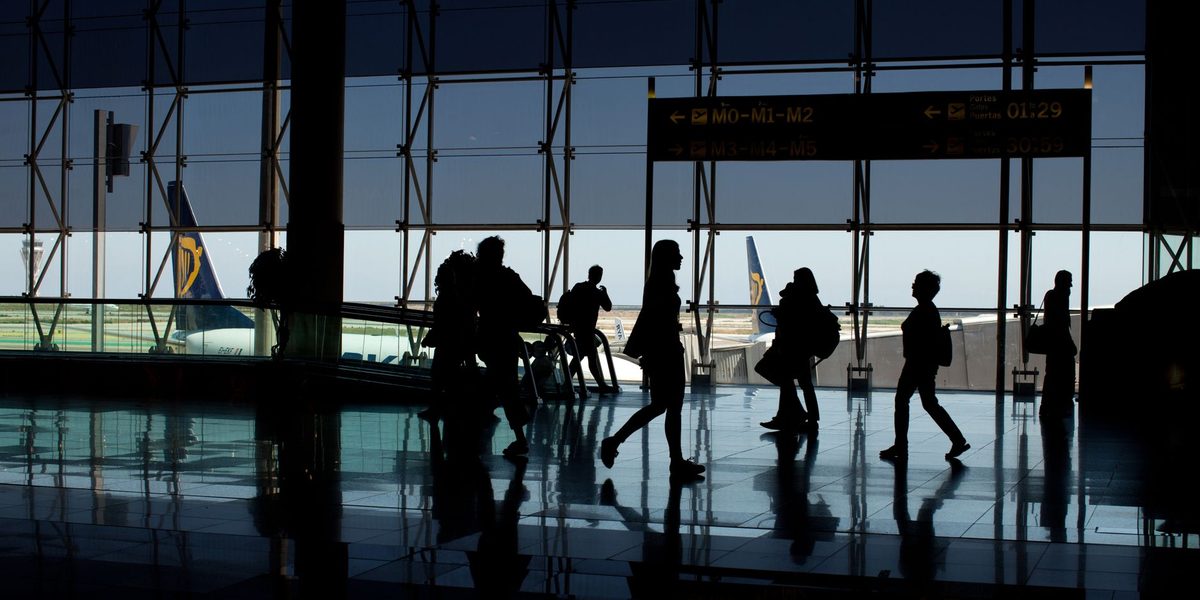
Watch experienced travelers in an airport and you will notice something odd: they never seem to hurry, yet they are always ahead of you. They drift past the check-in queue, glide through security while others repack their bags, and are seated at the gate with coffee while the crowd is still asking directions. None of this is luck or status. Airport efficiency is a learnable set of habits, decisions made the night before, small preparations at the checkpoint, and a mental map of how terminals actually work. Master them and travel days shed most of their friction, whether you fly twice a year or twice a month.
Win the Airport the Night Before
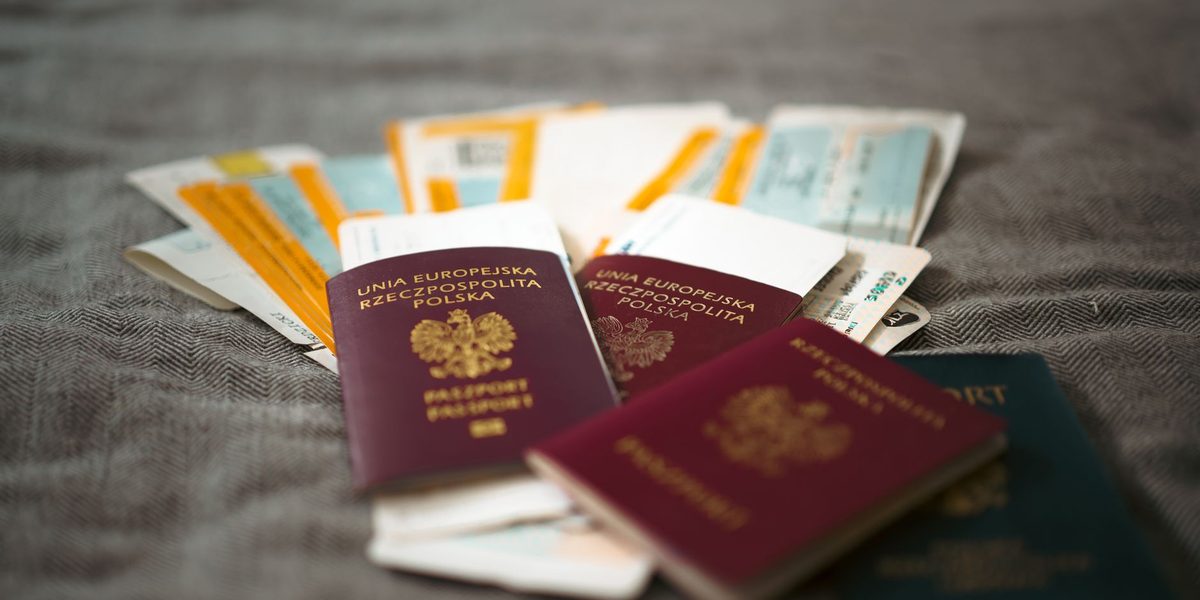
Most airport time is lost to tasks that could have been finished at home. Check in online the moment your window opens, load the boarding pass into your phone's wallet, and screenshot it as a backup against dead zones and app failures. Confirm your terminal, since large airports separate carriers in ways that can cost half an hour if discovered at the wrong curb. Check the airport's published security wait times if available, and look up your departure gate's general location so you know whether you face a five-minute walk or a train ride between concourses.
Pack for inspection the night before as well. Consolidate liquids into their clear bag and place it where one hand can extract it. Put large electronics at the top of your bag or in an outer compartment. Empty your pockets into a zipped pouch, keys, coins, everything metallic, so at the checkpoint you place one pouch in the tray instead of excavating your trousers. Wear slip-on-friendly shoes and skip the heavy belt. Each of these is worth seconds; together they are worth a checkpoint breezed through rather than endured.
Choose Lines Like a Systems Thinker
Queues at airports reward a little game theory. At security, the leftmost lines are frequently shorter because most people drift right. Lines staffed by two officers move roughly twice as fast as single-staffed ones, a difference more valuable than raw length. Avoid queuing behind families with strollers and travelers wrestling multiple oversized bags, not from unkindness but arithmetic; a party of five with car seats is a five-minute transaction. A business traveler with one bag is a thirty-second one.
Government trusted-traveler and expedited-screening programs, where available in your country, are the single largest structural upgrade an ordinary traveler can buy, often paying for themselves in saved time within a few trips. Airline status and certain fare classes offer priority lanes as well, and some airports sell reserved security time slots for a modest fee or even free booking. Investigate what your home airport offers, because travelers routinely stand in the long line next to a fast lane they were entitled to use.
Build a Personal Item That Works Like a Toolkit
The bag under the seat in front of you determines how smooth your day feels. A well-built personal item holds everything needed between curb and destination, organized for one-handed retrieval.
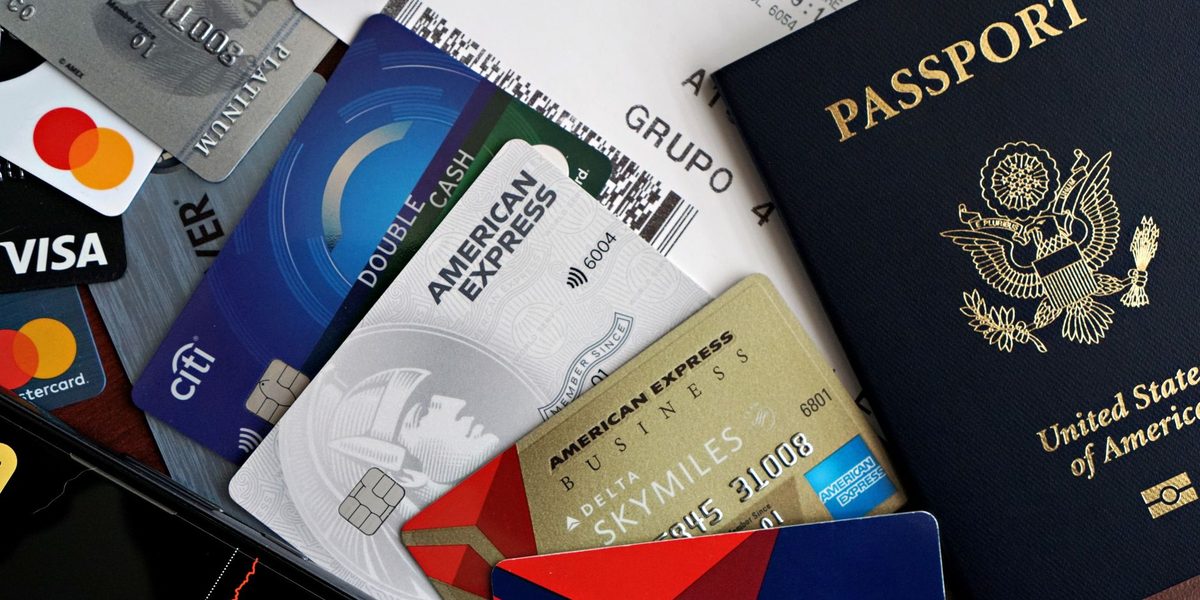
- Documents layer: passport or ID, wallet, and phone in one dedicated, zipped, always-the-same pocket.
- Checkpoint layer: the liquids bag and large electronics positioned for instant removal.
- Flight layer: headphones, charger and cable, a battery pack, snacks, an empty water bottle to fill after security, and any medication.
- Arrival layer: whatever the first hour at the destination requires, a jacket, sunglasses, transit card, or hotel confirmation.
The always-the-same principle matters more than any particular bag. When every item lives in a fixed pocket, you stop performing the frantic pat-down search that consumes so much collective airport time, and you notice instantly if something is missing.
Navigate Terminals Like You Have Been There Before
Airports are designed to slow you down; retail revenue depends on it. Walkways curve through shopping zones, signage yields to storefronts, and the path of least resistance passes maximum merchandise. Counter this by orienting on the fixed infrastructure: gate-number signs, moving walkways, and the airport map in your airline's app. Moving walkways are for walking; ride the left side only if you are resting on purpose.
On arrival at a connection, check the monitor before moving, because gates change and the one on your boarding pass may be stale. Know your airport's inter-terminal transit, train, bus, or long corridor, and its frequency; at some hubs the train alone is a ten-minute commitment. If your connection is tight, tell a gate agent rather than sprinting blind; they can call ahead, advise on shortcuts, and occasionally hold a door. And when you land at an unfamiliar airport, follow the flight crew walking with purpose; they know the fastest route out.
Time Your Arrival Honestly
The eternal debate, how early to arrive, has a rational answer: it depends on variance, not averages. A small airport you know well, with online check-in and no bag to drop, tolerates a lean arrival. A mega-hub at holiday peak, with a checked bag and a security line of unknown length, does not. Build your arrival time from components: bag drop if any, realistic security wait, the walk to your specific gate, and a buffer sized to the cost of missing this particular flight. Missing a flexible domestic hop is an inconvenience; missing the once-daily long-haul that your whole itinerary depends on is a catastrophe, and its buffer should reflect that.
Boarding itself rewards calm. If you carry a bag needing overhead space, board when your group is called, since bin space is the only scarce resource worth queuing for. If you have only a personal item, boarding last converts twenty minutes of standing in a jet bridge into twenty minutes of sitting comfortably at the gate. Efficiency is not always speed; sometimes it is refusing to hurry for things that do not require it.
Smooth the Arrival Side Too
The journey does not end at wheels-down. Sit as far forward as fare and preference allow when you have a tight onward connection. Fill out any required entry paperwork in-flight rather than in the immigration hall. Know before landing how you will leave the airport, train, bus, taxi rank, or ride-share pickup, and where that mode physically lives, because the twenty confused minutes at the arrivals curb are the most commonly forgotten part of every travel-time estimate. If you checked a bag, use the carousel wait productively: order the ride, message your hotel, refill the water bottle, and let everyone else crowd the belt while you watch from a spot near the delivery point.
Currency and connectivity are the other arrival-side snags worth pre-solving. Sort out how your phone will get data abroad before you fly, download offline maps of the arrival city, and skip the airport exchange counter in favor of a bank-affiliated cash machine or card payments. Each of these is a five-minute task at home and a thirty-minute problem in an arrivals hall, which is the entire philosophy of airport efficiency in a single comparison.
Final Thoughts
Airport mastery is a collection of small, boring advantages: checking in early, packing for the checkpoint, picking lines with intent, keeping a toolkit bag, reading terminals like maps, and sizing buffers to real risk. No single habit saves more than a few minutes, but stacked together they transform the texture of a travel day from a series of anxious queues into a calm procession toward the gate. The travelers who seem to glide through airports are not luckier than you; they simply decided, once, to stop improvising, and every trip since has paid them back.