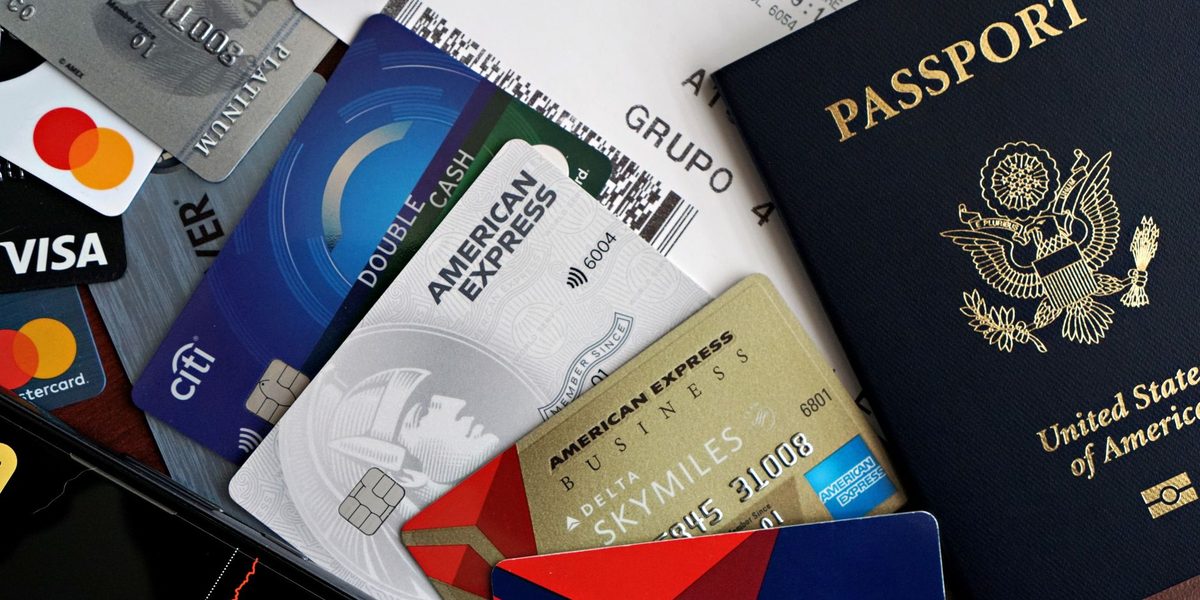
Loyalty programs can seem like a club for road warriors: people who board a plane every Monday and know their favorite hotel's breakfast menu by heart. If you travel two or three times a year, it is tempting to conclude the whole game is not for you. That conclusion costs you money. Occasional travelers can absolutely extract real value from airline and hotel loyalty programs; they just need a different strategy than frequent flyers. Instead of chasing elite status, the smart occasional traveler concentrates earnings, prevents expiry, and cashes in on redemptions where points punch above their weight.
Concentrate Instead of Scattering
The single biggest mistake infrequent travelers make is spreading activity across many programs. Four flights on four different airlines earn four tiny, useless balances. The same four flights concentrated within one airline alliance can add up to a meaningful stash. Airlines organize into large global alliances plus various bilateral partnerships, which means a flight on one carrier can usually be credited to a partner airline's program. Pick one program per category, one airline alliance and one hotel family, and route everything through it.
Choose your home program based on your actual life, not aspirational travel. Which airline has the most useful routes from the airport you actually use? Which hotel group has properties in the places you realistically visit? A modest program you can actually use beats a prestigious one whose perks you will never touch. Before every booking, take thirty seconds to add your loyalty number; unclaimed miles are the loyalty world's version of leaving change on the counter.
It is worth knowing that most programs also allow retroactive crediting for a window after a flight or stay, so a forgotten number is recoverable if you act within the deadline and keep your booking confirmation. Make a habit of storing your membership numbers in your phone's notes or wallet app so they are ready at every checkout, online or in person. Friction is the real enemy here; once your numbers are one tap away, the concentration strategy runs itself.
Earn on the Ground, Not Just in the Air
Occasional flyers cannot earn much altitude, so the ground game matters more. Most major programs let you earn points through everyday channels: shopping portals that credit points for online purchases you were making anyway, dining programs linked to your payment card, hotel stays credited to airline programs or vice versa, and co-branded credit cards where they fit your financial habits. Points earned at ground level spend exactly the same as points earned at cruising altitude.
Treat these earning channels as bonuses on existing behavior, never as reasons to spend more. Buying something you do not need to earn points is a losing trade every time. If you are considering a co-branded card, weigh the annual cost against benefits you will genuinely use, like a free checked bag or an anniversary hotel night, and read the terms carefully or talk with a financial professional if you are unsure how it fits your situation.
Guard Against the Silent Killer: Expiry
Points and miles often expire after a period of account inactivity, and this quietly erases the balances of occasional travelers more than anyone else. The defense is easy once you know the rule: in most programs, any earning or redemption activity resets the clock. A single purchase through the program's shopping portal, a handful of points earned from a dining partner, or a small redemption for a magazine subscription can keep an entire balance alive for another cycle.
- Know each program's inactivity window and note it somewhere you will see it.
- Set a calendar reminder a couple of months before any expiry date.
- Generate cheap activity through a portal purchase or partner transaction rather than letting points vanish.
A free points-tracking habit, even a simple note on your phone listing programs, balances, and expiry rules, takes minutes per year and protects hundreds of dollars in stored value.
Redeem Where Points Punch Hardest
Not all redemptions are equal, and occasional travelers should be especially picky because their balances are small. As a rule of thumb, points tend to deliver poor value on merchandise, gift cards, and in-flight purchases, moderate value on ordinary economy tickets and standard hotel nights, and their best value on expensive-but-flexible things: last-minute flights that would cost a fortune in cash, peak-season hotel nights, or premium-cabin seats on long routes when award space appears.
Another high-value pattern for small balances is the top-up: many programs let you pay for a ticket with a mix of cash and points, or buy a small number of points to reach a redemption threshold. Run the numbers each time; sometimes the cash fare is simply better, and a points balance is not a trophy, it is a currency that loses value as programs adjust their charts. When a good redemption presents itself, spend.
A quick sanity check keeps redemptions honest: estimate the cash price of what you are booking, divide by the points required, and compare that rate against a plain economy ticket redemption. If the award costs a mountain of points for something you could buy cheaply with cash, hold your balance for a better moment. Small balances especially deserve patience, because one strong redemption can represent a year of quiet earning.
Use Family Pooling and Household Strategy
Several airline and hotel programs allow family or household pooling, where multiple members' earnings flow into one shared balance. For a household of occasional travelers this is transformative: two adults and two children each earning scraps become one account earning meaningfully. If your preferred program offers pooling, set it up before your next trip and route every family member's activity into it.
Where formal pooling is not offered, you can still coordinate. Book the whole family's travel through one adult's account where the program rules permit earning on paid tickets you purchase for others, and standardize the household on the same airline alliance and hotel group. The point of household strategy is the same as personal strategy, just scaled: concentrate, do not scatter.
Know When Loyalty Is Not Worth It
Honest strategy includes knowing the limits. If a competing airline offers a nonstop flight at a meaningfully lower fare, taking a connecting flight on your loyalty airline to earn miles is usually a bad trade; you are spending real hours and dollars to earn a fraction of that value in points. Loyalty should break ties and reward flexibility, not dictate bad decisions. Similarly, do not pay significantly more for a hotel just for points, and do not chase elite status you cannot reach through natural travel patterns; status earned through forced, unnecessary trips is the most expensive free upgrade in the world.
The occasional traveler's version of winning looks like this: every trip you were taking anyway quietly deposits value into one or two accounts, that value never expires, and every year or two it converts into a free night, a free flight, or a cabin upgrade you would not have paid for. That is a genuine return on nearly zero effort, and it requires no elite status at all.
Final Thoughts
Loyalty programs reward attention more than volume. Pick one airline alliance and one hotel family, attach your number to everything, earn through ground-level channels, keep balances alive with token activity, and redeem only where points are strongest. None of this requires flying more than you already do. It simply ensures that the travel you are already paying for pays you back a little, trip after trip, year after year.