Money is the one souvenir nobody wants to leave behind, yet travelers routinely donate a slice of every trip to bad exchange rates, stacked fees, and cleverly framed payment traps. The losses are invisible in the moment, a few percent here, a fixed charge there, but compounded across flights, hotels, meals, and museum tickets, they can quietly consume the cost of an extra day of vacation. Handling money abroad well is not complicated. It requires knowing perhaps six things, deciding a few defaults before you leave home, and then never thinking about it again. This is general guidance; fees and terms vary by bank and card, so confirm your own before departure.
Prepare Your Cards Before You Leave
The foundation of travel money is laid at home. First, learn what your cards actually charge overseas: many cards add a foreign transaction surcharge to every purchase, while others charge nothing, and carrying the right card can save a few percent on literally everything you buy. Your bank's website or a quick call will tell you. Second, check your card networks' acceptance at the destination, since some countries lean heavily on one network or on local systems, and a backup card on a different network is cheap insurance.
Third, tell your bank you are traveling if it offers travel notices, or confirm its fraud systems handle foreign charges gracefully, because a card frozen by an overzealous algorithm on day one is a vacation subplot nobody enjoys. Finally, set up your bank's app with the ability to lock cards instantly and note the emergency phone numbers somewhere separate from your wallet. Five minutes of preparation converts most overseas money emergencies into minor inconveniences. A photograph of each card's emergency contact line, stored in your phone's secure notes, completes the kit and costs nothing.
Get Cash the Smart Way: ATMs, Not Airport Counters
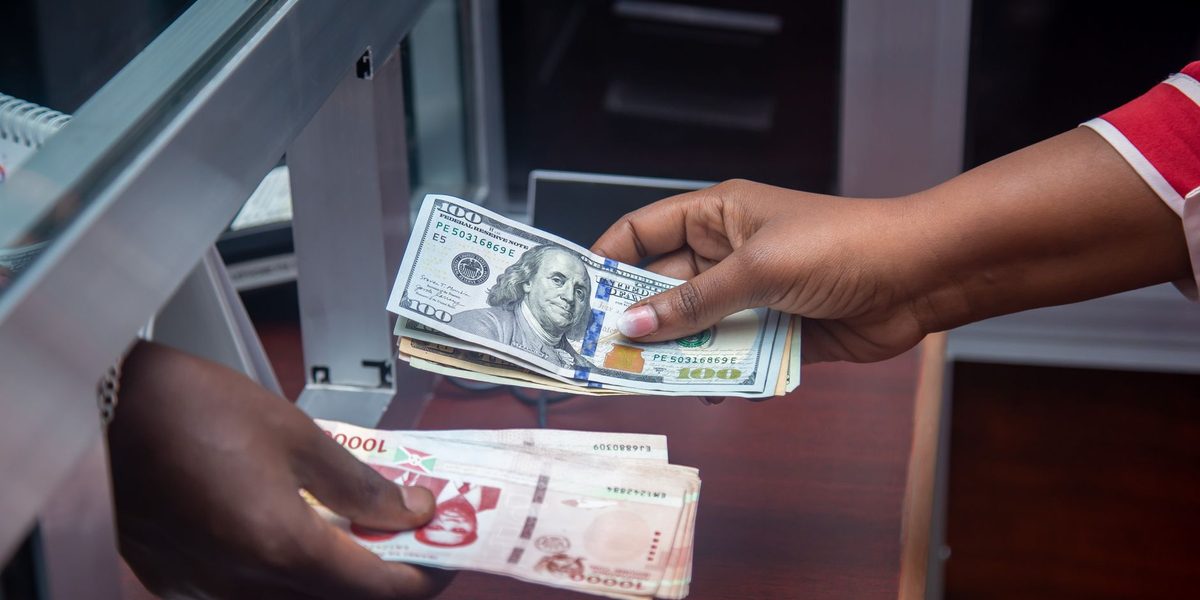
The worst exchange rates in any country are displayed in its airport arrival hall. Currency exchange counters, especially airport and tourist-district ones, build their profit into the rate itself, often taking a bite that would embarrass any bank. The consistently better approach almost everywhere is withdrawing local currency from a bank-affiliated ATM using your debit card, which typically executes at rates close to the interbank market.
ATM strategy has its own small rules. Prefer machines physically attached to real banks over freestanding convenience machines, which charge aggressive operator fees and sometimes worse rates. Understand your own bank's foreign withdrawal fees; if it charges a fixed amount per withdrawal, fewer and larger withdrawals dilute the fee, while a bank that reimburses ATM fees changes the math entirely. If you want a small amount of destination cash in your pocket before you fly for the taxi or the train ticket, exchange a minimal amount at home or on arrival and accept the poor rate on that small sum only.
Always Say No to Dynamic Currency Conversion
At some point abroad, a card terminal or ATM will helpfully offer to charge you in your home currency instead of the local one. This feature, called dynamic currency conversion, sounds like a convenience and functions as a toll. The conversion rate embedded in that friendly offer is set by the merchant's processor and is almost always meaningfully worse than the rate your own card network would apply. The rule has no exceptions worth remembering: always choose the local currency, on every terminal, every ATM, every hotel bill, every time.
The prompt is designed to be confusing, sometimes framing the home-currency option as the safe or guaranteed choice, and staff occasionally select it by default. Watch the screen, and if a receipt shows your home currency on a foreign purchase, you are usually entitled to ask for the transaction to be redone in local currency. One sentence of awareness, applied consistently, protects a percentage of your entire trip spending.
Carry a Sensible Cash-and-Card Mix
The right mix of cash and cards depends on the destination: some economies are nearly cashless while in others the market stalls, small restaurants, and taxis run on paper. Research this one habit of your destination before arriving. Wherever you land on the spectrum, a few practices are universal.
- Split your money: never keep all cards and cash in one wallet; distribute between your daypack, your accommodation, and your person so no single loss is total.
- Favor small denominations: big bills are hard to break at markets and invite unfavorable rounding; ask ATMs for amounts that force smaller notes when possible.
- Keep a decoy amount: a modest sum of daily-use cash in an accessible pocket means never opening your main wallet in a crowd.
- Spend down coins and small bills before leaving each country, since exchange counters will not take them back.
A small zipped pouch for accumulating receipts and foreign coins keeps the system tidy and makes the end-of-trip accounting, or the expense report, painless.
Research Tipping and Payment Customs Before You Land
Tipping norms vary so widely that the same behavior can be generous in one country, baffling in another, and mildly insulting in a third. Ten minutes of reading before arrival spares you both overpaying systematically and awkward moments. Learn the local pattern for restaurants, taxis, hotel staff, and guides, and note whether service charges are already included in bills, a common practice in many places that makes additional tipping optional or unnecessary.
Payment customs matter too: whether cards are welcome for tiny purchases, whether restaurants split bills readily, whether market prices are fixed or negotiable, and whether haggling is expected sport or cause for offense. These are value questions as much as etiquette ones; travelers who know a market expects negotiation simply pay less than travelers who do not, and travelers who know service is included tip once instead of twice.
Track Spending Lightly but Honestly
Foreign currency has an anesthetic quality; colorful notes in unfamiliar denominations never quite feel like real money, and card taps abroad feel even less so. The antidote is a light daily reckoning: each evening, thirty seconds with your banking app or a notes file, glancing at what the day actually cost in home-currency terms. This is not budgeting as penance; it is simply keeping the trip's spending connected to reality so the final statement holds no ambushes.
A rough mental exchange shortcut helps in the moment, round the rate to something you can compute at a glance, so every menu and price tag translates instantly. Travelers who can convert prices in their heads make noticeably better decisions all day long, from choosing the taxi versus the train to recognizing when a tourist-district price is triple the neighborhood norm.
The nightly glance also doubles as a security check. Card fraud discovered the same evening is a quick lock-and-replace through your banking app; the same fraud discovered on the statement three weeks after you fly home is a paperwork saga. Thirty seconds a night buys both budget awareness and an early-warning system, which is as efficient as travel habits get.
Final Thoughts
Handling money abroad comes down to a handful of defaults chosen once: the right cards identified before departure, cash from bank ATMs rather than exchange counters, local currency selected at every terminal, funds split against loss, customs researched for a few minutes, and spending glanced at nightly. None of it requires vigilance once the habits are set, and the reward is a trip in which every dollar you brought does the job you brought it for, buying experiences rather than quietly evaporating into fees.