Every business begins as a hunch, and hunches are cheap. What gets expensive is acting on one before you know whether anyone else shares your enthusiasm. Plenty of would-be owners sign leases, order inventory, or build elaborate websites for ideas that a few honest conversations would have reshaped or retired. Validation is the discipline of testing your idea against reality while your costs are still close to zero. It is not about seeking permission or waiting for certainty, because certainty never arrives. It is about gathering enough evidence, quickly and inexpensively, to make your first real investment a calculated bet rather than a leap of faith.
Define the Problem Before the Product
Most failed ideas are solutions in search of a problem. Before you refine what you want to sell, write down, in one plain sentence, the problem you believe it solves and who has that problem badly enough to pay for relief. If you cannot name the person and the pain without mentioning your product, you are not ready to validate anything yet.
A useful test is to describe the problem to someone in your target group and stop talking. If they lean in, finish your sentence, or start telling you their own version of the story, you have touched a nerve. If they nod politely and change the subject, the pain may be real to you but faint to them. Faint pain rarely opens wallets.
Talk to Real Potential Customers
Nothing replaces direct conversation with the people you hope to serve. Aim for at least fifteen to twenty conversations, because the first few will mostly teach you how to ask better questions. Seek out strangers or acquaintances rather than close friends and family, who tend to protect your feelings instead of your savings.
The craft lies in asking about their life, not your idea. Questions like how do you currently handle this, what have you already tried, and what did that cost you in time or money reveal actual behavior. Avoid hypotheticals such as would you buy this, because people are generous with imaginary money. Listen for evidence that they have already spent time, money, or effort trying to solve the problem. Past behavior is the single most reliable predictor of future purchases.
Study the Competition Like an Ally
New owners often dread discovering competitors, but existing competition is usually good news: it proves people already pay to solve this problem. A market with no competitors at all deserves suspicion, because it may mean no demand rather than untapped opportunity.
Spend a few evenings mapping who else serves your intended customers. Read their reviews, especially the critical ones, because unhappy customers write detailed instructions for anyone willing to do better. Note what people praise, what they complain about, and what they wish existed. Your opening in the market is rarely a brand-new invention; more often it is doing one specific thing noticeably better, faster, friendlier, or more conveniently than the current options.
Pay attention to indirect competitors too. If you plan to offer meal preparation, you are not only competing with other meal services but with takeout, frozen dinners, and the customer's own kitchen. Understanding every alternative a customer weighs helps you articulate why your offer deserves a place among them, and it sharpens the language you will later use in marketing.
Run a Small, Honest Experiment
Once conversations suggest genuine interest, design the smallest possible test that asks people to give up something real, whether money, time, or contact information. Interest expressed in a survey is weak evidence; interest expressed through action is strong evidence.
- Offer a simple pre-order or deposit, refundable if you decide not to proceed, and see how many people commit.
- Create a one-page description of the offer and invite people to join a waiting list with their email address.
- Sell a handmade, small-batch, or manually delivered version of your service before building anything scalable.
- Book a table at a local market or community event and watch how strangers react when the offer costs them actual money.
Whatever the format, be transparent that you are in an early stage. Honesty builds goodwill, and early supporters often become your most loyal customers and most useful critics.
Test the Price, Not Just the Idea
An idea people love at one price can collapse at another, so validation is incomplete until money enters the conversation. When someone expresses enthusiasm, name a realistic price and watch what happens next. Hesitation, bargaining, and silence are all data.
Work backward from your own numbers as well. Estimate roughly what it would cost you to deliver one unit of your product or one hour of your service, including materials, your time, and a share of overhead. If the price customers seem willing to pay barely covers those costs, the idea may need a different customer, a leaner delivery model, or a premium version before it deserves your investment. Discovering this on paper costs nothing; discovering it after launch can cost everything.
Decide What Evidence Will Convince You
Before you run any test, write down what result would count as a green light and what would count as a red one. For example, you might decide that ten pre-orders in three weeks means proceed, while two means pause and rethink. Setting the threshold in advance protects you from the very human habit of lowering the bar after the results come in.
Treat a weak result as information, not failure. Perhaps the problem is real but your audience is wrong, or the audience is right but the offer needs reshaping. Many strong businesses are the second or third version of an idea that stumbled in its first test. The founders who succeed are usually not the ones with flawless first drafts, but the ones who adjusted quickly because they were paying attention.
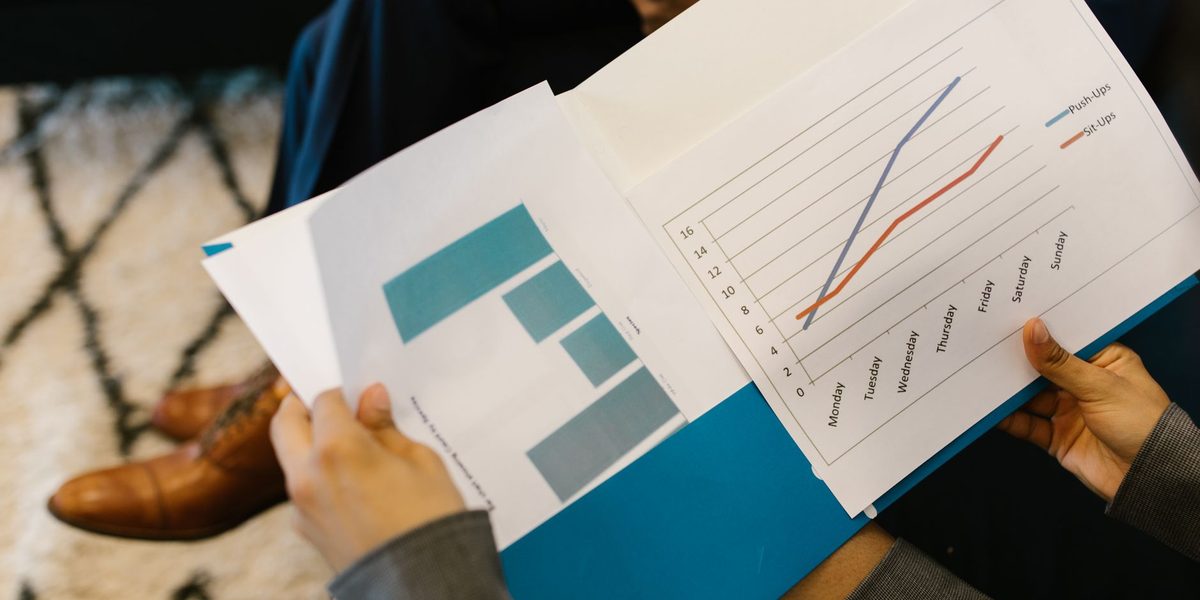
It also helps to keep a simple log of what you tested, what happened, and what you changed. A notebook or a plain spreadsheet is enough. Weeks from now, when you are deciding whether to commit real money, that record will show you a trend line instead of a blur of impressions, and trends are far harder to argue with than memories.
Keep Your Day Job a Little Longer
Validation works best when you are not desperate. If your rent depends on the idea succeeding this month, you will unconsciously bend every signal toward yes. Keeping your current income while you test evenings and weekends gives you the patience to read results honestly and the freedom to walk away from an idea that does not earn its keep.
This stage also reveals something no spreadsheet can: whether you actually enjoy the daily work the business demands. Spending a few weekends selling, delivering, and handling questions will tell you if the reality of the venture energizes or drains you. A validated idea you would dread running is still the wrong business for you.
Final Thoughts
Validating a business idea is less a single event than a habit of testing before spending. Define the problem sharply, talk with real customers about their actual behavior, learn from competitors, and ask people to commit something tangible before you do. Set your success thresholds in advance and respect what the evidence tells you, even when it stings. None of this guarantees success, but it dramatically improves your odds and, just as importantly, ensures that the money you eventually invest goes into an idea the market has already started to say yes to. The cheapest mistakes are the ones you catch before writing the first big check.