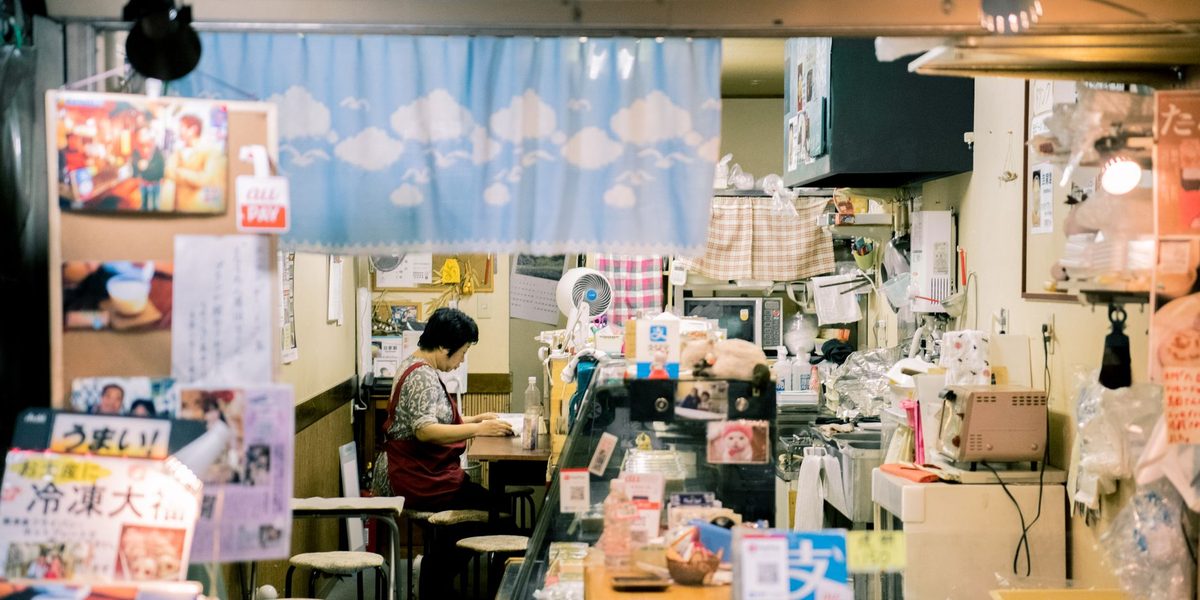
Loyal customers are not created by loyalty programs. Points and punch cards can nudge behavior, but genuine loyalty, the kind where people drive past three competitors to reach you and defend your business in conversation, is built from accumulated experiences of being treated well. For a small business, this is enormous news, because experience is the one arena where you can outclass much larger rivals. You cannot always beat them on price or selection, but you can absolutely beat them on how it feels to be your customer. The businesses that do this consistently are not staffed by uniquely charming people. They practice a set of learnable habits, day after day, until those habits become their reputation. Here are the ones that matter most.
Make the First Moments Count
Customers decide how an interaction is going to go within the first few seconds, long before any transaction happens. The habit that shapes those seconds is simple acknowledgment: greet people promptly, make eye contact, and signal that you noticed them even if you cannot help immediately. A warm phrase from across the shop while you finish with another customer feels completely different from being invisible, and callers and email senders feel the same way about a fast first response, even if the full answer comes later.
The tone you set early also lowers the temperature of everything that follows. A customer greeted warmly is more patient with a wait, more forgiving of a hiccup, and more open to suggestions. Train yourself and your team to treat the greeting as part of the product, not a pleasantry before the real work, because in the customer's memory, it is inseparable from it.
Listen All the Way to the End
Most service failures are actually listening failures. Under time pressure, it is tempting to diagnose a customer's need from the first sentence and jump to a solution, and half the time the guess is wrong in some way that surfaces later as a return, a complaint, or quiet disappointment. The habit that prevents this costs only seconds: let the customer finish, ask one clarifying question, and briefly restate what they need before acting.
Restating does double duty. It catches misunderstandings while they are still free to fix, and it delivers a feeling customers rarely get anywhere: being genuinely heard. People often cannot articulate why they prefer one business over another, but being listened to carefully is a large, invisible part of the answer. This habit matters even more with frustrated customers, where the fastest way to de-escalate is to prove you understand the problem before you offer a single word of solution.
Promise Carefully, Then Over-Deliver
Loyalty is largely a record of kept promises. Every time you say it will be ready by Thursday, we will call you back this afternoon, or that is covered, you write a small check against your reputation, and customers remember precisely which ones bounced. The habit here has two halves. First, promise conservatively: quote timelines you can beat, commit only to what you control, and say so honestly when something is uncertain. Second, treat every promise, however casual, as binding, and if something threatens it, tell the customer before they have to ask.
Proactive communication about a delay feels like service; silence about the same delay feels like betrayal, even though the delay itself is identical. Businesses that consistently deliver a little more than they promised, a day early, slightly better finished, with a small detail handled unasked, build a quiet confidence in customers that no advertising can manufacture.
Treat Complaints as a Second Chance, Not an Attack
Something will eventually go wrong, and paradoxically, a problem handled beautifully often creates a more loyal customer than a flawless transaction, because it reveals your character under pressure. The recovery habit is a sequence worth practicing until it is reflexive.
- Thank the customer for telling you instead of walking away silently.
- Listen fully and acknowledge the frustration without defensiveness or excuses.
- Apologize plainly for their experience, even when the cause was not entirely yours.
- Fix it generously and quickly, erring slightly in the customer's favor.
- Follow up afterward to confirm the fix actually landed.
Just as important is what happens internally afterward: ask what allowed the problem and adjust the process so it cannot easily repeat. Customers who complain are doing you a favor. For every one who speaks up, others simply leave, so the complainer is handing you both a rescue opportunity and free diagnostics.
Remember People, Not Transactions
Nothing signals that a customer matters like being remembered. Their name, their usual order, the project they mentioned last visit, the dog waiting in the car: small acts of memory transform a transaction into a relationship, and relationships are what customers are loyal to. You do not need a flawless memory to build this habit. Keep simple notes, whether in a card file or a basic customer record, capturing preferences and personal details customers share, and glance at them before appointments or when a familiar name appears.
Personalization also means noticing patterns and acting on them: setting aside an item a regular always buys when stock runs low, or mentioning a new arrival that fits a known interest. These gestures take seconds, cost nothing, and are nearly impossible for large competitors to replicate at scale, which is exactly why they bind customers to small businesses so strongly.
Add Small Surprises Worth Talking About
Satisfaction is meeting expectations; delight is exceeding them by a small, unexpected margin, and delight is what people tell their friends about. The habit is to build modest surprises into your routine: a handwritten thank-you tucked into a package, a tiny extra with a first order, upgrading a detail without charging for it, or a follow-up message days later asking whether everything is working well. The monetary value is beside the point. What registers is that someone cared beyond the transaction.
Keep surprises occasional and sincere rather than systematized into an entitlement, and aim them especially at first-time customers, whose opinion of you is still forming, and long-time regulars, whose steadiness deserves acknowledgment. A business that is a pleasure to buy from becomes a story customers enjoy telling, and their telling is the most persuasive marketing that exists.
Make Great Service a Team Standard, Not a Personality
If warm service happens only when you personally are behind the counter, you do not have a service culture; you have a service bottleneck. Turning habits into standards means naming them explicitly, such as how we greet, how we listen, what we do when something goes wrong, training every hire on them with examples and role-play, and modeling them yourself on the days you are tired, because your team will calibrate to your worst visible behavior, not your best speech.
Give employees real authority to fix common problems on the spot, within sensible limits, so customers are not held hostage to a manager's availability. Then reinforce the culture by catching people doing it right: praise specific service moments publicly and share customer compliments with the person who earned them. What gets noticed gets repeated, and a team that takes pride in service will protect the standard even when you are not watching.
Ask, Listen, and Visibly Improve
The final habit closes the loop: regularly ask customers how you are doing and let them see their input change things. This can be as simple as a genuine question at checkout, a short comment card, or an occasional message to steady customers asking what one thing would make their experience better. The magic is not in collecting opinions but in acting on them, and quietly telling customers when you have, because people become invested in a business they helped shape.
Watch for the mild criticisms wrapped in politeness, since customers soften their true complaints. A remark that parking is tricky or that mornings get busy is data. Businesses that treat every piece of feedback as a gift, and that visibly improve year after year, give customers a reason to stay for what is coming, not just what already exists.
Final Thoughts
Loyal fans are made in ordinary moments: the prompt greeting, the full attention, the kept promise, the graceful recovery, the remembered name, the small surprise, the team that upholds all of it, and the owner who keeps asking how to be better. None of these habits requires budget, but all of them require repetition until they stop being effort and start being identity. Choose one or two to install this month and practice them deliberately. Customers can tell the difference between a business that wants their money and one that values their presence, and they reward the second kind with something money cannot buy directly: they come back, they bring friends, and they root for you.