Travel insurance occupies a strange place in trip planning: aggressively upsold at every checkout, poorly understood by almost everyone, and either dismissed as a scam or purchased blindly as a talisman. The truth sits in the middle. Travel insurance is a set of specific, separate protections, some of which you may already have without knowing it, some of which are occasionally life-savingly important, and some of which are rarely worth their price. Understanding what each piece actually does, in plain language, lets you buy protection deliberately instead of anxiously. What follows is general guidance only; policies differ enormously, and the terms of your specific policy are the only ones that matter.
Trip Cancellation and Interruption: Protecting the Money You Prepaid
The best-known component reimburses prepaid, non-refundable trip costs if you must cancel before departure, or the unused portion if the trip is cut short after it begins, for reasons the policy lists. Those covered reasons are the entire product. Typical lists include serious illness or injury, a death in the family, and certain major disruptions, but each policy defines its own set narrowly, and anything outside the list is simply not covered. Cancelling because you no longer feel like going, or because a destination stopped appealing to you, is generally not a covered reason under standard policies.
Two details deserve attention. First, coverage is sized to your non-refundable exposure: if your flight is a flexible fare and your hotels are free-cancellation, you have little at risk and little need for this component. Second, some insurers offer an upgraded option, often at meaningful extra cost, that allows cancellation for any reason at all in exchange for reimbursing only a percentage. Whether that flexibility is worth its price depends entirely on how uncertain your plans really are. Read the covered-reasons list before buying, not after cancelling.
Medical Coverage Abroad: The Component That Matters Most
Here is the piece with genuinely high stakes. Many domestic health plans provide limited or no coverage outside your home country, and hospital care abroad is billed to you directly. Worse, a medical evacuation, transport by air ambulance from a remote area or between countries, can cost extraordinary sums that almost nobody can absorb out of pocket. Travel medical coverage and emergency evacuation coverage exist precisely for this scenario, and for international trips they are the components most worth taking seriously.
Before buying, check what you already have: your health insurer can tell you exactly what it covers abroad, and some employer plans and premium payment cards include travel medical or evacuation benefits. When evaluating a policy, look at the medical maximum, the evacuation maximum, and, critically, how the policy treats pre-existing conditions, since many insurers exclude them unless you purchase within a short window of your first trip payment and meet other requirements. Adventure activities, diving, trekking at altitude, motor sports, are often excluded unless specifically added. If your trip includes them, say so when buying, and confirm coverage in writing.
Baggage and Delay Benefits: Small Money, Real Convenience
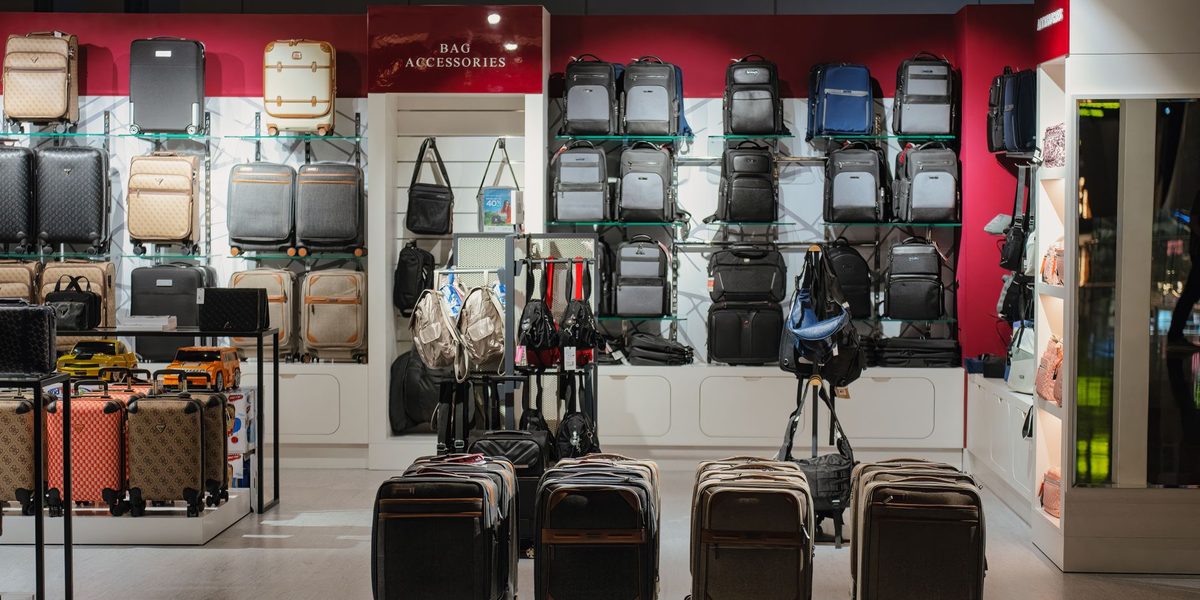
The remaining components are convenience-sized. Baggage coverage reimburses lost, stolen, or damaged luggage up to modest limits, usually with per-item caps that make expensive electronics and jewelry poorly protected; those often need separate coverage or are better carried on your person. Baggage delay benefits reimburse essential purchases, toiletries, a change of clothes, when your bag is late by more than a stated number of hours. Travel delay benefits similarly cover meals and lodging when your journey stalls past a threshold.
- Keep receipts for everything purchased during a delay; reimbursement is receipt-driven.
- Note the airline's own liability: carriers already owe compensation for mishandled bags under their conditions of carriage, and insurance sits on top of that, not instead of it.
- Check per-item limits before assuming your camera or laptop is meaningfully covered.
These benefits are pleasant to have and rarely decisive. They should not be the reason you buy a policy, and their generosity is a poor way to compare policies that differ on the components that matter.
The Coverage You May Already Have
Before purchasing anything, inventory your existing protection. Many payment cards include some travel benefits when the trip is charged to the card, ranging from rental car collision coverage to trip delay and baggage protection, with terms that vary widely. Some health plans include emergency coverage abroad. Homeowner or renter policies sometimes extend limited protection to belongings while traveling. Membership organizations and employers occasionally provide travel assistance services. None of this is universal, and card benefits in particular come with strict conditions, but ten minutes of checking can reveal that you already hold much of what a checkout-page policy is selling.
This inventory also prevents the most common insurance mistake: paying twice for the same protection. The airline checkout box, the booking site's bundled policy, and a standalone insurer may all be offering overlapping coverage. One deliberate purchase beats three impulsive ones, and standalone policies purchased directly from insurers are frequently both broader and cheaper than checkout-page add-ons.
When Insurance Makes Sense, and When It Does Not
A simple framework: insurance exists for losses you could not comfortably absorb. A short domestic trip booked on flexible fares, where the worst case is losing a modest deposit, carries little insurable risk; many travelers reasonably self-insure such trips by simply accepting the small exposure. An international trip with significant prepaid costs, or any trip where a medical emergency abroad would be financially catastrophic, sits at the other end, and there the case for coverage, especially medical and evacuation, is strong.
Between those poles, weigh three factors: how much non-refundable money is at stake, how likely disruption realistically is for your dates and destination, and what you already hold through cards and health plans. Expensive, non-refundable, far from home, and medically complicated all push toward buying; cheap, flexible, nearby, and simple all push toward skipping. There is no universally correct answer, only a correct process.
How to Buy Well If You Buy
If you decide to purchase, buy soon after your first trip payment, since several valuable features, pre-existing condition waivers, the broadest cancellation options, are available only in that early window. Compare standalone policies rather than accepting the first checkout offer, read the covered-reasons list and the exclusions section before paying, and keep the policy documents accessible offline while traveling along with the insurer's emergency assistance number. If a claim ever looms, document everything, get incidents recorded in writing by airlines, hotels, police, or doctors as appropriate, and file promptly within the policy's deadlines. For complex situations, an insurance professional or the insurer's own pre-sale helpline can clarify what a policy will actually do; asking before buying costs nothing. It also helps to travel with a simple claims kit in mind: photos of your luggage contents taken at packing time, digital copies of receipts for valuable items, and a note of every confirmation number. Claims succeed on documentation, and the traveler who can produce it calmly is weeks ahead of the one reconstructing a suitcase from memory.
Final Thoughts
Travel insurance is neither a scam nor a talisman; it is a bundle of specific promises, each with its own fine print. Separate the components, cancellation, medical, evacuation, baggage, delay, check what you already hold, match coverage to the losses you genuinely could not absorb, and read the covered-reasons list like it is the product, because it is. Do that, and you will buy insurance when it earns its place, skip it without anxiety when it does not, and never again click the checkout box out of vague dread.