No single workday purchase feels like a financial decision. A coffee on the walk from the station, a bought lunch because the morning was rushed, a delivery order because the afternoon ran long, parking, tolls, the snack that gets you through the four o'clock slump. Each is trivial. Together, repeated five days a week for forty-odd working weeks a year, they quietly form one of the largest flexible categories in a professional's budget, often rivaling a utility bill or two without ever appearing as a line item anywhere. This is not an argument for a joyless desk existence of instant coffee and self-denial. It is an argument for looking, once, at what your workday actually costs, keeping the parts that genuinely earn their place, and redirecting the rest somewhere you will notice it.
Audit One Ordinary Week
Start with evidence rather than resolutions. For one typical working week, capture every purchase your job causes: the coffees, breakfasts, lunches, snacks, after-work drinks that happen because everyone was already out, and every commuting cost from fuel and parking to fares. A note on your phone at the moment of purchase works better than reconstructing from statements, because cash and small app payments slip through memory.
At the end of the week, total it, then multiply by the number of weeks you actually work in a year. That annualized number is the entire point of the exercise, and it startles almost everyone who runs it. A modest-feeling daily pattern becomes, at yearly scale, a sum you would never approve as a single purchase. You now have something most people never get: an honest price tag on autopilot. Nothing needs to change yet. You are just replacing vague suspicion with a number.
Sort the Rituals From the Defaults
Now go through the list and make the distinction that saves this whole project from grim frugality: which purchases are rituals, and which are merely defaults? A ritual earns real pleasure or function: the proper coffee that marks the start of deep work, the Friday lunch with colleagues that is half meal and half morale, the class near the office that only happens because you are already in town. Defaults are the rest: purchases made because you were rushed, unprepared, bored, or simply standing near the register.
Keep the rituals without guilt; they are cheap for what they return. Target only the defaults, which typically make up well over half the list. This distinction matters because cutting rituals feels like punishment and gets reversed within a fortnight, while cutting defaults is barely noticeable by definition. The goal is a workday that feels exactly as good as before but costs meaningfully less, and that is only achievable if you are honest about which purchases are actually delivering the good feeling.
Beat the Lunch Problem With Logistics, Not Willpower
Bought lunch is usually the biggest single line, and the standard advice, just bring lunch, fails because it prescribes willpower at the worst possible moment: seven in the morning, running late. The fix is logistical. Make lunch a batch decision, not a daily one. Cook a little extra at dinner deliberately, portion it straight into containers, and grab-and-go becomes the path of least resistance instead of the virtuous exception. Alternatively, spend one relaxed weekend hour assembling a few days of lunches, and treat it as insurance rather than a chore.
Aim for a sustainable ratio, not purity. Bringing lunch three days out of five, while keeping one bought lunch as a genuine break and one for social plans, captures most of the savings and none of the deprivation. Keep a shelf-stable backup at your desk, some soup, crackers, or grains, for the mornings when the container got forgotten, because otherwise every planning failure converts directly into a purchase. The pattern to aim for is boring reliability with scheduled exceptions, which is the same pattern that works everywhere else in personal finance.
Rethink the Commute Bill
Commuting costs feel fixed but usually contain more slack than any other workday category. The options depend on your city and your job, but the checklist is worth running annually:
- Price the passes: weekly, monthly, or annual transit passes often beat pay-per-ride for regular commuters; do the arithmetic once instead of guessing forever.
- Ask about employer help: many workplaces offer commuter benefits, transit subsidies, pooled parking, or cycling facilities that go unclaimed simply because nobody asks.
- Mix the modes: driving to a cheaper parking spot and walking the last stretch, cycling in fair months, or carpooling two days a week all trim the total without an all-or-nothing overhaul.
- Negotiate the schedule: even one remote day a week cuts commuting costs by a fifth, and shifting hours away from peak pricing helps where fares or tolls vary.
- Audit the car math: if you drive, fuel is only part of it; parking, tolls, and wear add up, and occasionally the tally justifies a bigger change at your next vehicle or housing decision.
None of these require heroics. Commuting is a repeated cost, so a single decision made once, the right pass, the claimed subsidy, the negotiated remote day, pays out every week afterward without further effort.
Blunt the Convenience Traps
The remaining defaults mostly share one cause: friction met at a weak moment. The afternoon snack run happens because there is nothing at your desk; the delivery order happens because deciding felt harder than tapping. So manage the moments, not the morals. Keep a small stash of drinks and snacks you actually like at work, bought at grocery prices rather than counter prices. Carry a decent bottle and use the office coffee for the second and third cups even if the first one stays sacred.
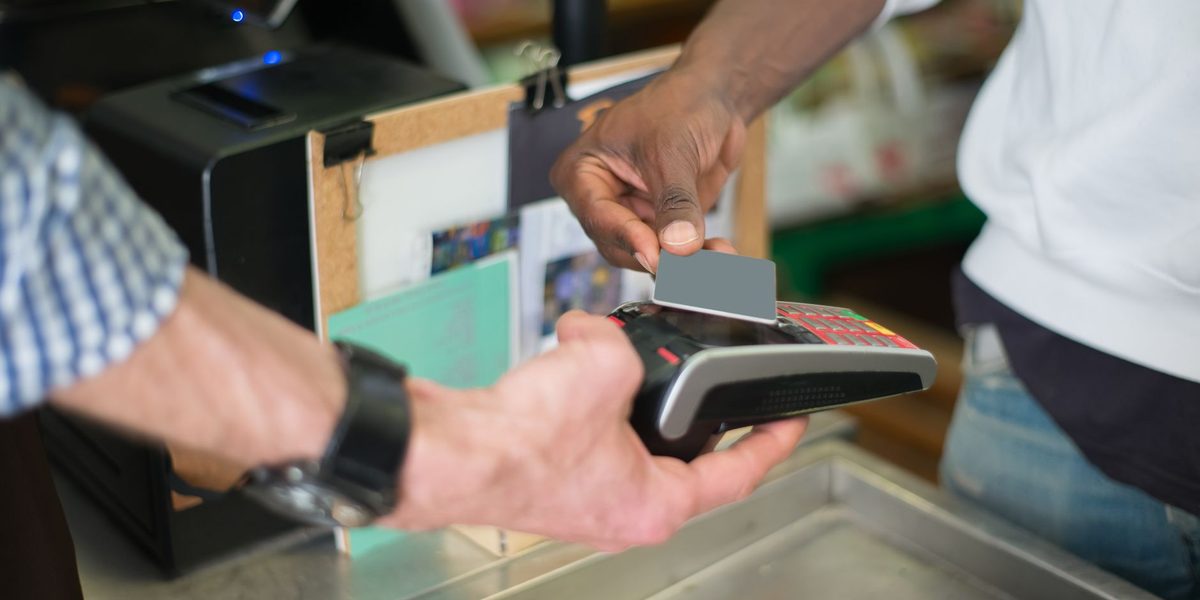
Add a little friction on the spending side too: remove saved payment details from the delivery apps, or move them off your home screen during the workweek. And watch the untracked edges of the workday, the transaction-free tap of a card at a kiosk, the rounding-up of small app payments, because frictionless payment is precisely engineered to keep purchases beneath your attention. You are not trying to become someone who never buys convenience; you are trying to make convenience a choice you notice rather than a reflex you discover on a statement.
Make the Savings Visible or They Never Happened
Here is the step nearly everyone skips, and it is the one that makes the project real. Money not spent at the sandwich counter does not automatically become savings; it becomes slack in your checking account, and slack gets spent. After your audit and adjustments, estimate the weekly difference honestly, then automate a transfer of that exact amount to a separate account, timed weekly to mirror the spending it replaced.
Point the transfer at something specific and slightly emotional: the travel fund, the emergency cushion, the debt you want gone. Watching a named balance grow by your redirected lunch money, week after week, converts an abstract virtue into a visible score, and visibility is what sustains the habit after the novelty fades. Rerun the one-week audit once or twice a year, since workplaces, prices, and routines drift. Ten minutes of noting purchases is a small price for keeping the largest invisible category in your budget permanently visible.
Final Thoughts
The workday spend is not a moral failing to repent; it is an unexamined system to redesign. Audit one honest week, protect the rituals that genuinely pay their way, dismantle the defaults with logistics rather than willpower, run the commuting checklist once a year, and, above all, capture the difference with an automatic transfer so the savings exist somewhere you can see them. Done this way, the office routine stays pleasant, the coffee that matters survives, and a sum you never missed quietly funds something you actually wanted.